

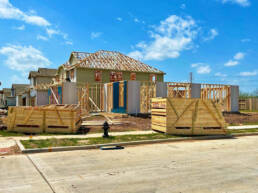
Pre-Drywall Inspection for New Construction Homes
There’s a short window in every new build when the inside of the walls is still open. The framing, the wiring, the plumbing, and the ductwork are all in place, and none of it is covered yet. A pre-drywall inspection from Groff Inspections uses that window to check the work that will be hidden for the life of the house.
Once insulation and drywall go up, most of what this visit sees can only be reached by cutting into finished walls. That’s why buyers who get only one new-build inspection often wish they’d had this one.
What Is a Pre-Drywall Inspection?
It’s an inspection of a new home after framing and rough-ins are complete, before the walls are insulated and closed. David inspects the structure and the mechanical rough-ins, photographs what he finds, and gives you a same-day report to hand your builder while fixes are still simple.
It’s the first of the three phases in our new construction home inspection program, and it’s the one phase that can’t be done later.
What David Checks Before the Walls Close
Framing and structure
Studs, headers over windows and doors, top plates, and blocking. David looks for damaged, twisted, or missing members, notched or bored framing that weakens a stud, and anything out of place compared with how the house should be assembled.
Fasteners and connectors
Straps, clips, and hold-downs that tie the structure together, including the roof-to-wall connections. Missing nails and incorrectly installed connectors are much easier to catch now than after the drywall is up.
Rough plumbing
Supply and drain lines inside the walls, pipe supports, and any damage to piping from other trades working around it.
Rough electrical
Wiring runs, boxes, and how cables are secured and protected where they pass through framing.
HVAC ductwork
Duct runs, connections, and whether ducts are crushed, disconnected, or kinked before they’re sealed into the ceiling.
Moisture in the framing
Southwest Florida builds often sit open through summer storms. David notes wet or stained framing and sheathing, standing water, and visible discoloration on framing so they can be dried out or addressed before the wall is sealed.
Windows and exterior openings
Window installation and flashing details that affect whether water stays out of the wall later.
Why This Phase Matters
A mistake behind the drywall doesn’t go away. It gets covered. A missing strap, a crushed duct, or a damaged pipe can sit hidden for years until it shows up as a leak, a hot room, or a structural concern. Catching it at this stage usually means a quick fix by the trade that did the work, not a repair in a finished home. It also costs the builder far less to correct now, which makes the request an easy one to approve.
There’s a second benefit many buyers don’t expect. Photos of connectors and framing taken before the walls close are a record of how the house was built, which can be useful later when an insurance inspection needs to document how the roof is attached.
When to Schedule the Visit
Timing is everything with this one. The visit should happen after framing, plumbing, electrical, and HVAC rough-ins are complete, and before insulation goes in. On many production builds that window is only a few days long.
- Tell your builder right after you sign. Let them know you’ve hired your own inspector for a pre-drywall visit.
- Ask to be notified. Request a call or email when the house is close to ready for insulation.
- Call us as soon as you hear. Amanda will fit the visit into that window, usually within one to five days.
- Get the report the same day. Forward it to your builder so items can be addressed before insulation.
Your builder says framing is almost done? Call (941) 299-1688 or email info@groffinspections.com now so we’re ready when the window opens.
What If the Builder Isn't Ready?
Construction schedules move. If the rough-ins aren’t finished when we arrive, the report will note what couldn’t be inspected, and we’ll talk with you about whether a return visit makes sense. Confirming with the superintendent the day before helps avoid that.
If the builder wants conditions for access, such as scheduling through their office or having someone on site, that’s normal. Get the rules in writing early so the window doesn’t pass while you’re still waiting on an answer from them.
What the Report Looks Like
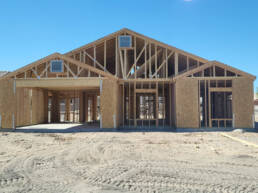
The report is organized room by room and system by system, so your builder can find each item quickly. Every finding has a photo, a short description of what was observed, and where it is in the house. Items that should be corrected before insulation are called out clearly, separate from notes that are informational.
After the report goes out, David calls you to walk through it. That call helps you decide what to raise with the superintendent first, and what to simply confirm is on the builder’s list.
Why Buyers Choose Groff for Pre-Drywall
- Ten years in construction first. David has worked on job sites and knows what gets rushed at this stage.
- Licensed Florida home inspector. License HI16718.
- Same-day report. The window is short, so the report can’t wait.
- Photos your builder can act on. Each item is photographed and located in the house.
- Part of a three-phase plan. The same inspector follows your house through the final walkthrough and the 11-month warranty inspection.
Pre-Drywall Inspection FAQ
County inspections confirm minimum code items at set stages. They aren’t a detailed review of workmanship on your behalf. A buyer’s pre-drywall visit looks at the house for you and gives you a report you control.
It’s usually shorter than a final inspection because there are no finishes, fixtures, or appliances yet. Time on site depends on the home’s size and layout.
Yes. Production builds move quickly with many trades in the house at once, which is exactly when items get missed. This visit is the only chance to see inside the walls.
Send it to your builder’s superintendent or sales rep and ask how they’ll address each item before insulation. Keep the report with your closing documents, since it’s your record of what the house looked like inside the walls.
Yes. It can be booked on its own, though most clients book all three phases. If you’re still weighing it, read <a href=”/blog/do-i-need-a-home-inspection-on-new-construction/”>why new construction needs an inspection</a>.
Your final walkthrough visit is where corrected items are confirmed, along with everything else in the finished home. If a pre-drywall item was serious, ask your builder for photos of the fix before insulation goes in.
Reserve Your Pre-Drywall Visit
The earlier you call, the easier it is to catch the window. Sign your contract, tell your builder, and put us on the calendar. We’ll plan the visit around your builder’s schedule.
Schedule a pre-drywall inspection by calling (941) 299-1688 or emailing info@groffinspections.com.