

Florida Home Inspection Standards of Practice
Every home inspection Groff Inspections performs follows the Standards of Practice that the State of Florida sets for licensed home inspectors. These standards define what a licensed inspector is expected to evaluate during a home inspection, how findings are reported, and what falls outside the scope of the inspection.
What the Standards Mean for You
In plain terms, the standards set a consistent minimum for every licensed inspection in the state. They require the inspector to evaluate the readily accessible systems and components of the home, including the roof, structure, exterior, interior, electrical, plumbing, and heating and cooling systems, and to report what’s observed. They also recognize limits: an inspector isn’t required to move furniture, open finished walls, or evaluate items that can’t be safely reached.
That’s why a Groff report tells you both what was inspected and anything that couldn’t be accessed on inspection day, so you know exactly what was and wasn’t evaluated. If something couldn’t be reached, the report explains why, and you can ask the seller about it before your inspection period ends.
To see how these standards translate into an actual inspection, visit our pre-purchase home inspection page. The full text of the standards follows below.
What Does a Florida Home Inspection Include?
Florida’s Standards of Practice cover the major visible and readily accessible systems and components of a home, including:
- Structural components
- Electrical systems
- Heating and air conditioning systems
- Roof coverings
- Plumbing systems
- Interior components
- Exterior components
- Site conditions that may affect the structure
Inspectors generally use normal operating controls and visually evaluate accessible components. When multiple similar components are present, such as windows or electrical receptacles, the inspector may evaluate a representative number rather than every individual component.
When an inspector identifies a significant deficiency or a component that appears to be nearing the end of its service life, the inspection report may recommend repair, monitoring, or further evaluation by an appropriately qualified professional.
Structural Components
The structural inspection includes visible and accessible components of the home’s structure, which may include:
- Foundation
- Floor structure
- Wall structure
- Ceiling structure
- Roof structure
- Posts
- Beams
- Columns
- Joists
- Rafters
- Trusses
- Other visible framing
- Ventilation of foundation areas
When deterioration is visible or suspected, an inspector may probe accessible structural materials when doing so will not cause additional damage.
Structural Inspection Limitations
An inspector is not required to enter or traverse an attic or under-floor crawl space when conditions are unsafe, unsanitary, inaccessible, or could cause damage to insulation, ductwork, stored belongings, or other components.
A standard home inspection is also not an engineering or architectural evaluation. If a condition requires specialized structural analysis, further evaluation by an appropriately qualified professional may be recommended.
Electrical Systems
The electrical portion of the inspection generally includes visible and readily accessible components such as:
- Service entrance conductors and cables
- Main service equipment
- Main disconnects
- Grounding systems
- Main panels and subpanels
- Conductors and wiring
- Overcurrent protection devices
- Accessible light fixtures, switches, and receptacles
- Ground-fault circuit interrupters, or GFCIs
- Electrical service amperage and voltage ratings
- Visible wiring methods
- Smoke detectors
- Carbon monoxide detectors
- Arc-fault circuit interrupters, or AFCIs
Electrical Inspection Limitations
A standard home inspection does not require the inspector to evaluate certain systems and components, including:
- Remote-control devices
- Security and alarm systems
- Low-voltage wiring
- Ancillary wiring systems
- Generators
- Photovoltaic solar equipment
- Battery or electrical storage systems and associated equipment
Inspectors are also not required to perform electrical load calculations, measure amperage or impedance, insert tools or probes into electrical components, or determine whether every circuit is labeled correctly.
Heating and Air Conditioning Systems
The HVAC portion of the inspection includes readily accessible heating, cooling, and distribution components, which may include:
- Installed heating equipment
- Fuel storage and distribution systems
- Vent systems, flues, and chimneys
- Ductwork and air distribution components
- Mechanical ventilation systems
- Heating system energy sources
- Heating system capacity
- Cooling equipment and cooling method
- Condensate overflow warning or shutoff devices
HVAC Inspection Limitations
Certain components are outside the required scope of a standard inspection, including:
- Inaccessible interiors of flues and chimneys
- Heat exchangers
- Humidifiers and dehumidifiers
- Electronic air filters
- Air sanitizers
- UV lights
- Solar space-heating systems
- Internal components such as coils and pans
- Inaccessible zoning dampers and controls
- Removable window air-conditioning units
Inspectors are not required to determine indoor air quality, heating or cooling distribution balance, or whether a system provides adequate heating or cooling to every area of the home.
HVAC equipment may also not be operated when weather conditions or other circumstances could potentially damage the system.
Roof Covering
The roof inspection generally includes visible and readily accessible:
- Roofing materials
- Flashing
- Skylights
- Chimneys and roof penetrations
- Roof drainage systems
- Attic ventilation
- Attic insulation
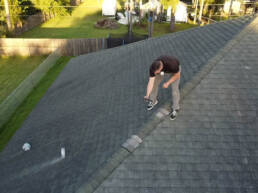
Does a Florida Home Inspector Have to Walk on the Roof?
Not necessarily.
An inspector is not required to walk on a roof when, in their professional judgment:
- The roof slope makes walking unsafe
- Safe access is unavailable
- Weather conditions make the roof unsafe
- The condition of the roofing material or decking creates a safety concern
- Walking on the roof could damage roofing materials
- Accessing the roof could create unnecessary danger or liability
Inspectors are also not required to disturb insulation or inspect roofing components that are not readily accessible.
Plumbing Systems
The plumbing inspection generally includes visible and readily accessible:
- Interior water-supply piping
- Plumbing fixtures and faucets
- Drain, waste, and vent systems
- Plumbing-related vents, flues, and chimneys
- Drainage sumps and sump pumps
- Water-supply and drain piping materials
- Water-heating equipment
- Water-heater energy sources
- Main water shutoff valves
- Main fuel shutoff valves
Plumbing Inspection Limitations
A standard Florida home inspection does not require inspection of:
- Wells
- Water-storage equipment
- Water-conditioning systems
- Solar water-heating systems
- Fire sprinkler systems
- Private waste-disposal systems
- Irrigation systems
Inspectors are also not required to operate safety or shutoff valves, test shower pans for leakage, determine whether water and waste services are public or private, or evaluate the quantity or quality of the home’s water supply.
Interior Components
The interior inspection generally includes visible and readily accessible:
- Walls
- Ceilings
- Floors
- Steps and stairways
- Railings
- Countertops
- A representative number of installed cabinets
- Garage doors
- Interior and exterior doors
- Windows
- Locks, latches, and opening mechanisms
- Insulation and vapor retarders in unfinished spaces
- Fireplaces
- Solid-fuel-burning appliances
- Accessible vents, flues, and chimneys
- Household appliances included within the inspection scope
Household appliances may be operated using normal controls when the inspector determines it is safe to do so.
Interior Inspection Limitations
Inspectors are generally not required to evaluate cosmetic or specialty items such as:
- Paint
- Wallpaper
- Window treatments
- Carpeting
- Central vacuum systems
- Recreational facilities
- Certain removable fireplace components
Inspectors are also not required to move furniture, appliances, or personal belongings to gain access to an area.
Equipment may not be operated if it is disconnected, shut down, inaccessible, requires special codes or keys, does not respond to normal controls, or could be damaged by operation.
Exterior Components
The exterior portion of the inspection generally includes visible and readily accessible:
- Exterior wall cladding and siding
- Flashing and trim
- Exterior doors
- Attached decks
- Balconies
- Stoops
- Steps
- Porches
- Railings
- Accessible eaves, soffits, and fascia
- Walkways, patios, and driveways leading to dwelling entrances
What Isn’t Required as Part of the Exterior Inspection?
Florida’s Standards of Practice do not require a standard home inspection to include:
- Window and door screens
- Shutters
- Awnings
- Fences
- Recreational facilities
- Outbuildings
- Swimming pools
- Seawalls
- Breakwaters
- Boat lifts
- Docks
Some of these components may be available as separate or additional inspection services.
Site Conditions That May Affect the Home
Inspectors also evaluate certain visible and accessible conditions around the property when they are likely to adversely affect the structure.
These may include:
- Vegetation
- Property grading
- Surface drainage
- Retaining walls
A standard home inspection does not include geological, geotechnical, or hydrological analysis or evaluation of erosion-control and earth-stabilization systems.
What Your Florida Home Inspection Report Includes
After the inspection, you receive a written report documenting the inspector’s findings.
The report identifies systems and components that are significantly deficient or appear to be nearing the end of their service life. When the reason for a reported condition isn’t obvious, the inspector explains the basis for the finding.
The report also identifies applicable systems or components that were present but could not be inspected and explains why they weren’t inspected.
Depending on the findings, the inspector may recommend:
- Repair or correction
- Continued monitoring
- Further evaluation by an appropriately qualified professional
Florida home inspectors are not required to provide estimates for the cost of repairs as part of a standard home inspection.
Understanding the Limits of a Home Inspection
A home inspection gives you valuable information about the condition of a property, but it is not an exhaustive technical evaluation of every component of the home.
The inspection is primarily visual and focuses on conditions that are visible and readily accessible on the day of the inspection. Inspectors do not typically open walls, dismantle equipment, perform destructive testing, or move furniture and personal belongings to gain access.
Depending on the home’s age, condition, location, features, or findings during the inspection, additional specialized evaluations may be recommended.
Florida Home Inspection Standards
Florida home inspectors are regulated under Chapter 468, Part XV of the Florida Statutes and Chapter 61-30 of the Florida Administrative Code.
These Standards of Practice establish the minimum requirements for a Florida home inspection. Groff Inspections uses these standards as the foundation for providing clients with a clear, professional assessment of the visible and readily accessible condition of the home at the time of inspection.
This page is intended to provide a homeowner-friendly explanation of Florida’s Home Inspector Standards of Practice and does not replace the complete Florida statutes, administrative rules, or the specific scope-of-services agreement provided for your inspection.
Schedule Your Inspection
Most inspections are scheduled within one to five days, and every report is delivered the same day.
- Licensed Florida home inspector (HI16718)
- 10 years in construction before inspecting
- Same-day reports on every inspection
- A follow-up call to walk through your findings
Schedule Your Home Inspection
Call or email to schedule: (941) 299-1688 or info@groffinspections.com, Monday through Friday, 7 AM to 7 PM.