

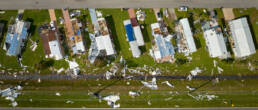
If you’re shopping for a wind mitigation, you’ve probably noticed that prices vary from one inspector to the next, and that some companies won’t quote a number until they know more about the house. That isn’t evasiveness. Wind mitigation inspection cost depends on the home, how the inspection is booked, and how much can be verified on site. This guide explains the factors that actually move the price in Southwest Florida, what you should expect to receive for it, and how to compare quotes so you end up with a report your insurance company can rely on.
Why There’s No Single Price for a Wind Mitigation in Southwest Florida
From the outside, a wind mitigation looks simple: one state form and a handful of questions. In practice, the time it takes depends on the attic, the roof, the number of openings, and the records you have on hand. A small single-story home with an open attic and a folder of permits takes far less time than a two-story house with three roof sections, a cramped attic, and no paperwork.
Inspectors price around that time and complexity. Some quote a flat rate for most homes and adjust for larger or more complicated ones. Others quote each job individually after a few questions. Either approach is reasonable. What matters is that the quote reflects the work needed to produce an accurate form, because the report is only useful if every answer is supported by what the inspector can see and document.
It also helps to understand what you’re paying for. The inspector measures roof slope, identifies the roof covering, documents how the roof deck is attached and how the roof is tied to the walls, calculates roof geometry, looks for secondary water resistance, and evaluates every glass and non-glass opening. Each answer needs photos. The full list of what’s evaluated is on our wind mitigation inspection page, and every item on it takes time to verify properly. That’s why two homes on the same street can receive different quotes.
The Factors That Change Wind Mitigation Inspection Cost
Booking it on its own or with other inspections
This is usually the biggest factor. When a wind mitigation is added to a home inspection, the inspector is already on site and already in the attic, so many companies price it as an add-on. Booked as a standalone visit, it carries the full cost of the trip, the setup, and the time spent getting into the attic and around the exterior.
Pairing it with a 4-point
Owners and buyers of older homes often need a 4-point inspection at the same time. Both reports involve the roof and attic, so doing them together is efficient, and many inspectors price the pair accordingly. If your agent asked for both, say so when you request a quote.
Home size and roof complexity
Several roof sections at different slopes may need separate measurements. More than one roofing material means each covering has to be identified and supported. Many hips, valleys, gables, and porch extensions take longer to measure for the roof geometry perimeter calculation, which decides whether the roof qualifies as hip.
Attic access
Deck attachment and roof-to-wall connections are documented from the attic. A walkable attic is quick. A low, crowded, or blocked one takes longer and may limit what can be seen. Clearing the hatch and the space below it before the appointment helps.
Openings, records, and scheduling
Dozens of windows, mixed products, or shutters that need identifying add time. Permits and product approvals shorten it. Without records, more time goes into finding labels and markings on site. Rush scheduling or homes well outside an inspector’s normal area can also affect the quote.
Homeowners and Buyers Pay for Different Things
The same inspection fits two very different situations, and that affects how you should book it.
If you already own the home, you usually need a wind mitigation because your agent asked for one at renewal, or because you’ve made an improvement and want it documented. You typically have more time, and that’s an advantage. You can gather records calmly, schedule without paying for rush service, and time the inspection after a planned reroof or connector retrofit so the report reflects the finished work instead of the old conditions. If you already have a report and made one change, such as new impact windows, you’ll still need a complete new form because the inspector signs for the whole home as it stands on inspection day. An update on a well-documented home with no other changes tends to go quickly, though, so mention your previous report when you call.
If you’re buying, you need the report before your policy can be written, often inside a short inspection period. The most cost-effective approach is almost always to book the wind mitigation alongside the pre-purchase home inspection and the 4-point in a single visit. Ask your real estate agent to request the seller’s roof permit, window and door records, and any retrofit paperwork early, because those documents can change what the form supports. Buyers of older homes in Sarasota, Venice, and Charlotte County frequently need all three reports, and booking them together keeps the timeline manageable.
What You Should Get for the Price
Whatever the quote, a wind mitigation should include the same core deliverables. Use this list when comparing inspectors:
- A licensed inspector. The form has to be completed and signed by a qualified licensed professional. Ask for the license type and number. Ours is Florida home inspector license HI16718.
- The current state form. The report should use the current revision of Florida’s OIR-B1-1802 form.
- Photos for every answer. Carriers can ask for support, so photos should clearly show the conditions behind each section and be labeled so anyone reviewing the report can follow them.
- An explanation of anything unverified. If a section is marked unknown, you should know why and which record would change it.
- Reasonable turnaround. We email every report the same day as the inspection, so you aren’t waiting on paperwork while a renewal or closing date gets closer.
- Delivery where you direct it. Reports are confidential, so they should go to you or to whoever you authorize, such as your insurance agent.
Once your report arrives, our guide to what the wind mitigation report documents walks through each section and how the answers are chosen. Reading it ahead of time also helps you understand which records will matter most on inspection day.
Why the Cheapest Report Isn’t Always the Least Expensive
A wind mitigation is only useful if your carrier accepts it and it reflects the home accurately. Two problems can make a low-priced report cost more in the end.
The first is a report that has to be redone. Missing photos, an outdated form, errors in the property information, or answers that can’t be supported can lead an agent or carrier to request a new report. Then you pay twice and lose time, which is especially painful when you’re trying to close on a home or meet a renewal deadline.
The second is a report that leaves out work you already paid for. If an inspector doesn’t dig into the records or doesn’t document the attic carefully, the form can understate features the home actually has. A connector retrofit or a documented secondary water barrier only helps if someone verifies it. That’s why we encourage homeowners to share every permit and invoice they have, and why roofers who photograph their work before it’s covered make a real difference. Contractors can see what to capture in our guide for roofers and contractors.
The reverse matters too. A report that overstates a feature can be questioned later by the carrier. The goal is an accurate form, not a generous one, and accuracy is what protects you over the life of the policy.
How to Keep the Cost Down and Avoid Delays on Inspection Day
You have more control over the price and the result than you might think. A little preparation saves time for everyone:
- Bundle when you can. If you need a home inspection or a 4-point, book them in the same visit.
- Gather records first. Roof permit and install date, reroof photos, connector retrofit paperwork, and window, door, and shutter approvals.
- Clear the attic hatch. A hatch painted shut, a broken pull-down ladder, or a shelf built over the opening can stall the visit.
- Keep shutters with their hardware. Panels stacked in a locked shed can’t be identified, and panels without mounting hardware don’t establish protection.
- Unlock gates and garages. Every exterior opening, including the garage door, needs to be seen.
- Keep the utilities on. In a vacant home, lights make the attic and garage far easier to document.
- Call early. Booking as soon as your agent asks for the report avoids rush scheduling.
A quick walk-through the day before, checking the attic hatch, gates, and shutters, prevents most of these problems. If you’re curious how connector types affect the roof-to-wall section, our post on hurricane clips vs. straps is a helpful read before your appointment.
Questions to Ask Before You Book
A few questions help you compare inspectors on more than price, and the answers tell you a lot about the report you’ll receive:
- Is the price different if I add a 4-point or a home inspection?
- How soon can you inspect, and when will I receive the report?
- Will you send the report to my insurance agent if I ask?
- Which records should I have ready?
- If a section can’t be verified, will you tell me what would change it?
An inspector who answers these clearly is likely to produce a report that’s just as clear. Keep in mind that the inspector documents the home and your carrier decides which windstorm discounts, if any, apply. Agents who want a clear explanation to share with clients can find it in our resources for insurance agents. An accurate, well-documented report gives your agent the best information to work with.
Get a Wind Mitigation Quote for Your Home
We don’t publish a single price because no two homes take the same amount of work. The quickest way to a real number is a short call with a few details ready: the home’s address and approximate square footage, the year it was built, whether you also need a 4-point or home inspection, and your deadline. Amanda in our office can quote your specific house and schedule the visit, usually within one to five days, with the report delivered the same day. We work throughout Sarasota, Charlotte, Manatee, Lee, and DeSoto counties, including home inspections in Sarasota. When you’re ready, get started or call (941) 299-1688.
Need an inspection in Southwest Florida?
Groff Inspections offers pre-purchase home inspections, 4-point and wind mitigation reports, and new construction inspections across Sarasota, Charlotte, Manatee, Lee, and DeSoto counties. Every report is delivered the same day, and David calls you afterward to walk through what he found. Call (941) 299-1688 or email info@groffinspections.com to schedule, Monday through Friday, 7 AM to 7 PM.
Like this article? Spread the word!
Related Posts

October 28, 2026
How to Read Your Wind Mitigation Inspection Report
Learn how to read a Florida wind mitigation inspection report, section by section: roof…

October 28, 2026
What Will Fail a 4-Point Inspection in Florida?
Learn what will fail a 4-point inspection in Florida and why: the roof, electrical,…
October 28, 2026
Pre-Drywall Inspection Cost: What Changes the Price
Learn what affects pre-drywall inspection cost on a Florida new build: home size,…